I wanted to write about some new things that I’ve found that can hopefully help some people. I will share things that I have learned recently and some that aren’t as recent.
What is mental illness? A mental disorder is a “dysfunction” of someone’s emotions. This is good to know so that we can understand it a little bit better. Mental illness doesn’t make someone unable to function. Many people have to learn how to deal with it, or they will find something to help lessen the effects. It is different for every person though. One thing might work great for one person, but not at all for someone else.
Does it matter where you live? One neuroscientist found that altitude may have an impact on mental illness. She found this out by looking at different places and their suicide rates. She said, “Utah has disproportionately high rates of suicide and associated mood disorders compared to the rest of the country” (Fisher). She thinks that one of the reasons for this is because of Utah’s higher altitude. The high altitude creates more dopamine which can create an unbalance in people—making them suffer from mental illness.

Does what you eat matter? Clinical Information Systems wrote an article about what they know. They wrote that “nutrition can influence the development of mental illness” (Marcel). This doesn’t mean that if we eat healthy we won’t be affected by mental illness, but there is a correlation. If you have a mental illness then that can affect your diet as well. The University of Michigan wrote an article about things that you can do for your mental health. One thing that it says is “Sometimes people use alcohol and other drugs to ‘self-medicate,’ but in reality, alcohol and other drugs only aggravate problems.” Being careful about what you are putting into your body can help you to have more control over your mental health.
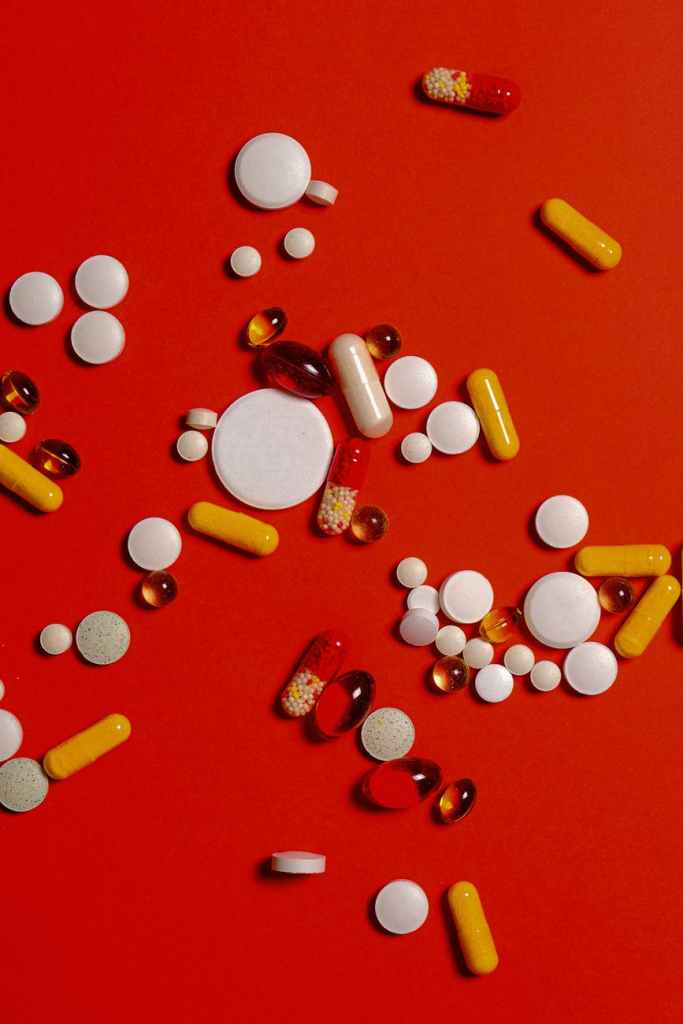
What about medication? If you are struggling with anxiety and depression so bad that it interferes with your daily life—and it’s too much—then you can take medication. It is used to treat chronic mental illness. It can help, but it doesn’t work for everyone. Medication may also have side effects. It can cause drowsiness, insomnia, fatigue, and more. You have to try it to know what works for you. It can also cost a lot of money, but you can find some that isn’t so expensive. According to informed choices about depression, “Medicines used to treat depression range in cost from $30-200 per month.”
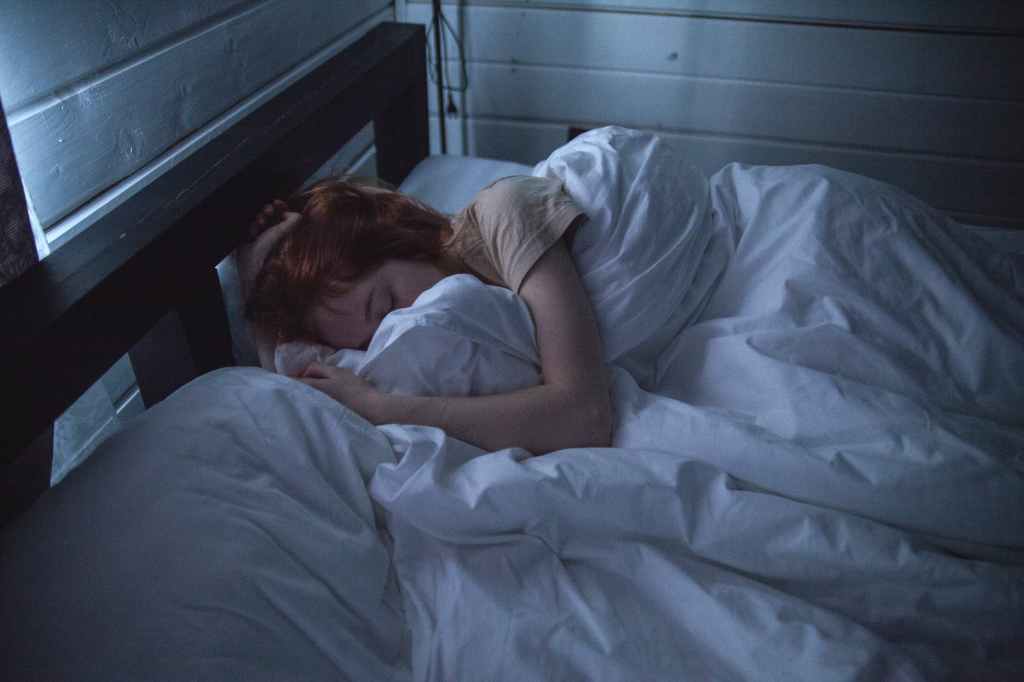
What does sleep have to do with it? On Science daily it says, “UC Berkeley researchers have found that the type of sleep most apt to calm and reset the anxious brain is deep sleep, also known as non-rapid eye movement….” Getting a good night’s sleep every night can help to reduce anxiety. Not having enough sleep can cause you to have more anxiety throughout your day. The brain needs sleep to be able to function properly. This can help to regulate our emotions.
Anxiety and depression are hard things to deal with, but there are always new things coming out to try to lessen the effects. If you take medication, your mental illness won’t go away, but it can help to take the edge off of things. There are always new things coming out about how different things can help with mental illness. It is also different depending on the mental illness. Some medication might work best for one type of mental illness and make another one worse.
 Allie's Blog